Best Reverse Osmosis Systems of 2026
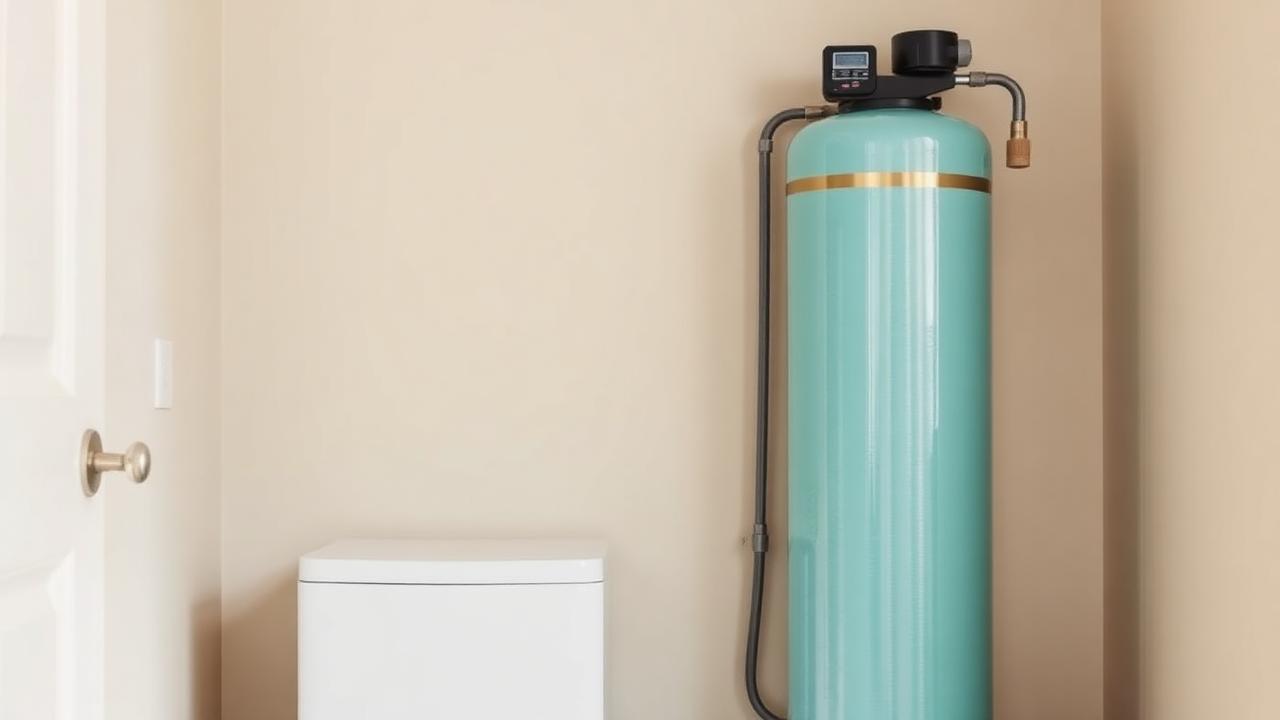
Reverse osmosis is the most thorough drinking-water treatment a homeowner can install. A semi-permeable membrane pushes water across at high pressure and rejects the dissolved contaminants city carbon filters and softeners leave behind: PFAS, lead, fluoride, arsenic, nitrate and chromium-6. Here are the systems we recommend, and when each one is the right choice.
Free tool · 30 seconds
Not sure which system you actually need?
Skip the spec-sheet rabbit hole. Our local-aware selector pairs your situation with the right filter, softener or RO, then layers in your city's real hardness and contaminant data. No email, no signup.
Find your system →Top picks at a glance
Aquasana OptimH2O RO (under-sink)
NSF-certified for lead, PFOA/PFOS and fluoride. The right call for most U.S. kitchens.
SpringWell/Moen Premium Under-Sink RO
Premium under-sink RO with a Moen faucet and remineralization stage, for kitchens where PFAS, lead or nitrate are the priority.
Compare all systems
Flow rates and membrane life are pulled from each manufacturer's product page. Confirm current certifications before purchasing.
| Model | Type | Flow | Warranty | Best for | |
|---|---|---|---|---|---|
| SpringWell/Moen Premium Under-Sink RO
SpringWell |
Under-sink reverse osmosis | ~0.8 gpm at the faucet (typical RO) | Limited lifetime on the system (verify on SpringWell) | Severe contamination / problem wells | Check price |
| Aquasana OptimH2O RO (under-sink)
Aquasana |
Point-of-use reverse osmosis | n/a | Limited | Certified PFAS / lead drinking-water fix | Check price |
Under-sink vs whole-house RO
An under-sink RO unit treats only the cold tap at the kitchen sink, which is where almost every contaminant of concern actually reaches you, through drinking and cooking. It is smaller, much cheaper to run, and wastes far less reject water than a whole-house system. Whole-house RO is a specialist tool: it makes sense on private wells with very high TDS, uranium, arsenic or nitrate, or when an entire household needs treated water at every fixture for medical reasons. For city water, pair a whole-house carbon filter for the shower and laundry with an under-sink RO at the kitchen.
Frequently asked
Do I need whole-house RO or just under-sink?
For most homes an under-sink reverse osmosis unit at the kitchen tap is the right call. It targets the water you drink and cook with, where PFAS, lead, fluoride and nitrate matter most. Whole-house RO only makes sense on private wells with extreme contamination or very high TDS.
Does RO actually remove PFAS, lead and fluoride?
Yes. A properly maintained RO membrane rejects more than 95% of dissolved contaminants, including PFAS, lead, fluoride, arsenic, nitrate and chromium-6. Look for systems with NSF/ANSI 58 certification and, ideally, NSF 53 for lead.
What does RO cost to run each year?
Plan on $60 to $120 a year for replacement pre- and post-filters, plus a $60 to $150 membrane every 2 to 4 years. Whole-house RO adds a small electricity cost for the booster pump and 2 to 4 gallons of reject water per gallon produced.
RO picks by city
The right pick depends on your local water profile. Jump to the city page for hardness, flagged contaminants and the matched system:
- Best under-sink RO for Houston, TX
- Best under-sink RO for Dallas, TX
- Best under-sink RO for Austin, TX
- Best under-sink RO for Phoenix, AZ
- Best under-sink RO for Los Angeles, CA
- Best under-sink RO for San Diego, CA
- Best under-sink RO for Miami, FL
- Best under-sink RO for Tampa, FL
- Best under-sink RO for Chicago, IL
- Best under-sink RO for New York, NY
- Best under-sink RO for Philadelphia, PA
- Best under-sink RO for Las Vegas, NV
- Best under-sink RO for Salt Lake City, UT
Need whole-house carbon filtration too? See our best whole house water filters.