Best Well Water Filtration Systems of 2026
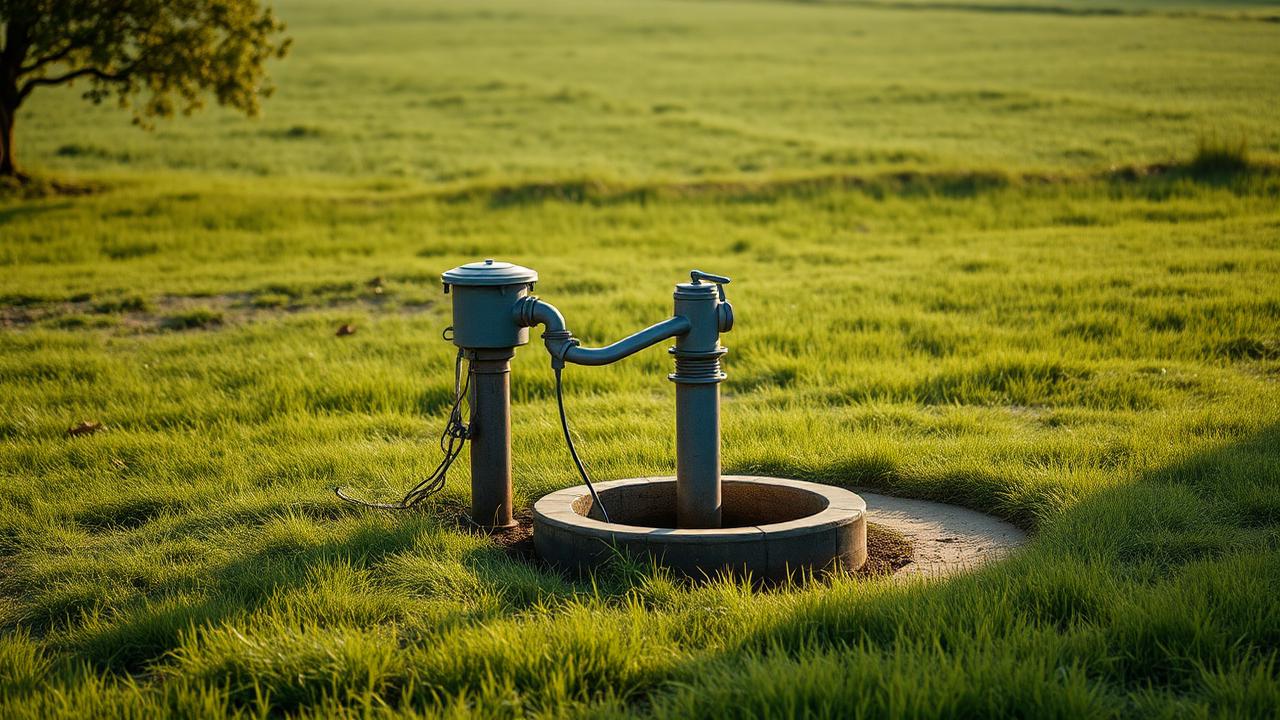
Private wells are not regulated by the EPA. That means iron, sulfur, sediment, hardness and bacteria are your responsibility to test and treat. A well water filtration system is not one product - it is a stack. The right stack usually starts with an air-injection iron filter, adds a softener if hardness is high, and finishes with UV disinfection if bacteria are present. Below are the systems we recommend and how to build the right train for your well.
Free tool · 30 seconds
Not sure which system you actually need?
Skip the spec-sheet rabbit hole. Our local-aware selector pairs your situation with the right filter, softener or RO, then layers in your city's real hardness and contaminant data. No email, no signup.
Find your system →Top picks at a glance
SpringWell WS Well Water Filter
Air-injection iron, sulfur and sediment system. The default first stage for most U.S. private wells.
Aquasana Rhino Well Water
Well-water iron oxidation paired with a salt-based softener stage in one bundled install.
SpringWell UV Water Purification
NSF 55 Class A whole-house disinfection. Install it last in the train for bacterial peace of mind.
Compare well water systems
Flow ratings and warranty terms are pulled from each manufacturer's product page. Always confirm current certifications and specifications before purchasing.
| Model | Type | Flow | Warranty | Best for | |
|---|---|---|---|---|---|
| SpringWell UV Water Purification
SpringWell |
UV disinfection | 9-15 | Lifetime tank, 5 yr electronics | Well water households with bacteria concerns | Check price |
| SpringWell WS Well Water Filter
SpringWell |
Well water (air injection) | WS1: 12 gpm (1-4 baths); WS4: 20 gpm (5+ baths) | Lifetime | Well water with iron / sulfur | Check price |
| Aquasana Rhino Well Water
Aquasana |
Well water filter | varies | Limited | Private wells needing UV disinfection | Check price |
How to stack a well water system
The order at your point of entry matters. Water flows through sediment pre-filters first to protect downstream equipment, then the iron filter to oxidize and trap ferrous iron and hydrogen sulfide. Next comes the softener, because softener resin is destroyed by ferric iron - you must remove iron before softening. Finally, UV disinfection sits at the end, after the water is clear, so the 254-nanometer light can reach every microbe without shadowing from particles.
If your water test shows extreme TDS, arsenic, nitrate or uranium, whole-house reverse osmosis replaces the entire stack with a membrane-based barrier. It is more expensive to buy and run, but it is the only residential technology that reliably removes those dissolved contaminants.
What the research says about iron and sulfur
Air-injection oxidation is the dominant whole-house iron technology in the U.S. today because it handles iron, manganese and moderate hydrogen sulfide in a single tank without chemicals. Manufacturer data and field reports consistently show it effective up to roughly 7 ppm iron and 2 ppm manganese, provided pH stays above 6.8. Below that pH, oxidation slows and a calcite neutralizer or a chemical-feed system may be needed upstream.
Hydrogen sulfide (the rotten-egg smell) is often produced by sulfate-reducing bacteria in the well or plumbing. Air injection oxidizes H2S to elemental sulfur, which the media bed traps. If H2S is very high or persistent, a dedicated sulfur filter or chlorine injection may be more appropriate than a standard air-injection unit alone.
Test your well water before you buy anything
Because a private well is not covered by EPA monitoring, you are the one responsible for knowing what is in your water, and a lab test is the only way to build the right stack. At a minimum, test for total coliform and E. coli bacteria, nitrate, iron, manganese, hardness, pH and total dissolved solids. Depending on your region, add arsenic, uranium, radon or fluoride, which our water-quality pages can help you anticipate by area.
Use a state-certified or accredited lab rather than a quick strip test when bacteria, nitrate or arsenic are on the line, since those results decide whether you need UV disinfection or reverse osmosis. Test at least once a year for bacteria and nitrate, and again any time you notice a change in taste, color or smell, after the well or pump is serviced, or after heavy flooding that could let surface water in. The numbers from that report tell you which of the stages below you actually need, in what order, and how to size them. This is general information, not medical advice.
Match the problem to the right stage
Well water rarely has just one issue, and each symptom points to a different stage in the treatment train. Orange or rusty staining on fixtures and laundry means dissolved iron, which an air-injection iron filter oxidizes and traps. Black specks or brown-black staining point to manganese, handled by the same iron stage. A rotten-egg smell is hydrogen sulfide, also oxidized by air injection, though a dedicated sulfur filter helps when levels are high. Cloudy or gritty water means sediment, which a pre-filter catches first to protect everything downstream.
Scale and the symptoms of hard water call for a softener, installed after the iron stage so the resin is not fouled. Blue-green staining usually signals low pH and copper pipe corrosion, which a calcite neutralizer corrects upstream. A salty taste, very high TDS, or a test that flags arsenic, nitrate or uranium is beyond what a filter stack can fix, and that is where reverse osmosis comes in, either at the kitchen tap for drinking water or as a whole-house barrier for severe cases. Bacteria, the most important to address, are inactivated by UV at the end of the train. See our reverse osmosis picks for the drinking-water stage.
What to look for when buying a well water system
Once your test tells you which stages you need, a few specifications decide whether the system performs. Size for flow first: match the rated gallons per minute to your home's peak demand, since well households often run irrigation and indoor fixtures at the same time. Check the water-chemistry prerequisites the manufacturers list; air-injection iron filters, for example, oxidize reliably when pH stays above about 6.8, so very acidic water needs a neutralizer added upstream rather than a bigger filter.
For disinfection, look specifically for NSF/ANSI 55 Class A certification, which is validated for treating water that may contain harmful microorganisms, rather than the lighter Class B that only supplements water already considered safe. Plan the practical install too: an iron filter backwashes, so it needs a drain and enough space at the point of entry, a UV unit needs a power outlet and an annual lamp change, and most well stacks are involved enough that many owners bring in a plumber. Finally, weigh media life and warranty, since the best iron-filter tanks and valves are covered for the life of the original owner. When in doubt, run your test results through our 30-second selector.
Frequently asked
Do I need a separate iron filter, or can a whole-house carbon filter handle well water?
Standard whole-house carbon filters are designed for city water with chlorine, taste and odor. They are not built for iron, sulfur, or high sediment loads common in private wells. For well water, start with an air-injection iron filter or a well-specific system, then add carbon downstream if you still have taste or odor issues.
When do I need UV disinfection on a well?
Add UV if your lab test flags total coliform or E. coli, your well is shallow, near a septic system, or vulnerable to surface-water intrusion after heavy rain. UV goes last in the treatment train, after sediment, iron and softener stages, because clear water is what lets the light reach every microbe.
What does a well water filtration system cost to run each year?
An air-injection iron filter has almost no consumables - just a sediment pre-filter cartridge every 6 to 12 months ($20 to $40). UV lamps need annual replacement ($80 to $120). Whole-house RO is the most expensive to run, with pre-filters, post-filters and membrane swaps totaling $200 to $400 per year plus reject-water costs.
How often should I test my well water?
At least once a year for bacteria and nitrate, and again whenever the taste, color or smell changes, after any work on the well or pump, or after flooding. Add periodic arsenic and uranium testing if your region is prone to them.
Will a water softener remove iron from my well?
Only small amounts. Oxidized iron fouls and destroys softener resin, which is exactly why the iron filter goes before the softener in the train. Treat iron with an air-injection filter first, then soften.
What pH does an air-injection iron filter need?
Around 6.8 or higher for reliable oxidation. If your water is more acidic, a calcite neutralizer or chemical-feed system upstream raises the pH so the iron stage can do its job.
Do I need to treat for arsenic or nitrate?
If your lab test flags them, yes, and a filter stack will not remove them. Reverse osmosis is the residential technology that does, at the drinking tap or, for severe cases, whole-house.
Well-water picks by metro area
The right pick depends on your local water profile. Jump to the city page for hardness, flagged contaminants and the matched system:
- Best well-water system near Houston, TX
- Best well-water system near Dallas, TX
- Best well-water system near Austin, TX
- Best well-water system near Phoenix, AZ
- Best well-water system near Los Angeles, CA
- Best well-water system near San Diego, CA
- Best well-water system near Miami, FL
- Best well-water system near Tampa, FL
- Best well-water system near Chicago, IL
- Best well-water system near New York, NY
- Best well-water system near Philadelphia, PA
- Best well-water system near Las Vegas, NV
- Best well-water system near Salt Lake City, UT
Already treating your well and need a drinking-water upgrade? See our best reverse osmosis systems for under-sink and whole-house RO picks.