
Best Whole House Water Filters of 2026
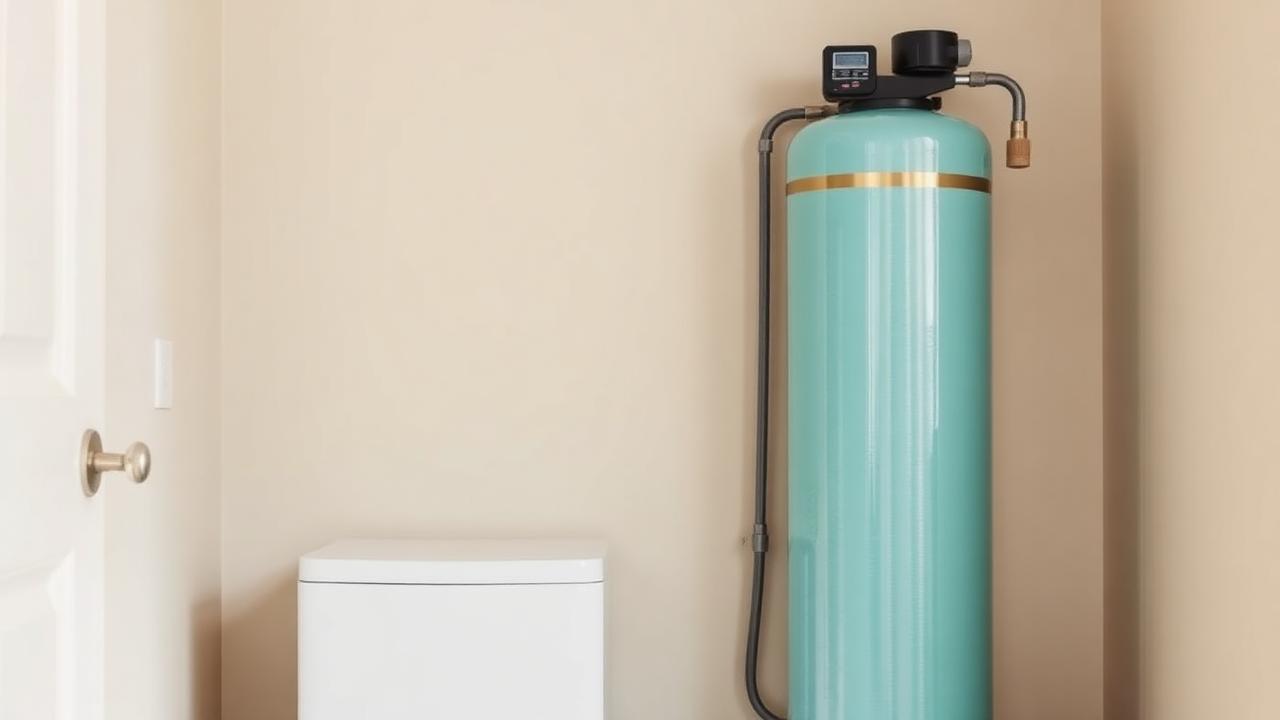
A whole-house carbon filter is the most common upgrade for U.S. city water - it tackles chlorine, chloramine, taste, odor and many common organic contaminants at the point where water enters your home. Below are the systems we recommend and why.
Free tool · 30 seconds
Not sure which system you actually need?
Skip the spec-sheet rabbit hole. Our local-aware selector pairs your situation with the right filter, softener or RO, then layers in your city's real hardness and contaminant data. No email, no signup.
Find your system →Top picks at a glance
SpringWell CF1 Whole House Filter
Proven 4-stage media, lifetime warranty, low ongoing cost.
Aquasana Rhino EQ-1000
Familiar brand with NSF-certified components and 1M-gallon life.
SoftPro Carbon Whole House Filter
Solid catalytic-carbon entry point at a noticeably lower price.
Compare all systems
Flow ratings and warranty terms are pulled from each manufacturer's product page. Always confirm current certifications and specifications before purchasing.
| Model | Type | Flow | Warranty | Best for | |
|---|---|---|---|---|---|
| SpringWell CF1 Whole House Filter
SpringWell |
Whole-house carbon filter | 9 | Lifetime on tanks and valves | 1–3 bathroom city-water homes | Check price |
| SpringWell CF4 Whole House Filter
SpringWell |
Whole-house carbon filter | 12 | Lifetime | 4–6 bathroom homes | Check price |
| SpringWell CF+ Whole House Filter
SpringWell |
Whole-house carbon filter | 20 | Lifetime | 7+ bathroom / large homes | Check price |
| Aquasana Rhino EQ-1000
Aquasana |
Whole-house carbon filter | 7 | 10-year limited | Buyers who want a familiar brand with visible certifications | Check price |
| Pelican PSE1800 NaturSoft
Pelican / Pentair |
Whole-house carbon filter + NaturSoft salt-free combo | 12 | 12 year tank | City-water homes prioritizing scale control without salt | Check price |
| SoftPro Carbon Whole House Filter
SoftPro (QWT) |
Whole-house carbon filter | varies | Verify | Budget whole-house filter | Check price |
| Pelican PC600 (Pentair)
Pelican / Pentair |
Whole-house carbon filter | 10 gpm (1-3 baths) | Limited lifetime on tank, 5 year on media | Budget-friendly brand-name filter | Check price |
How we picked
- • Manufacturer-published media life and flow rates that match a typical U.S. home.
- • Independent certifications (NSF, IAPMO) where the brand publishes them.
- • Real ongoing maintenance cost - not just the up-front price.
- • Warranty and post-sale support behavior reported by long-term owners.
We do not display prices on this site; the partner brands set and change prices frequently. Use the Check Latest Price buttons to see current pricing on the brand's site.
What problems a whole house filter can fix (and what it cannot)
A whole-house carbon filter earns its place by improving the water at every tap, but it helps to know exactly which problems it solves and which need a different tool. The issues a carbon system handles well are the taste and smell of chlorine or chloramine, the swimming-pool odor that comes with them, and many of the organic compounds and disinfection byproducts that municipal treatment leaves behind. Catalytic carbon in particular is built for chloramine, which older standard carbon struggles with. Add a sediment pre-filter and the same system also clears the sand, silt and rust particles that cloud water and wear out appliances.
It is just as important to know the limits. Scale on your faucets and short water-heater life are a hardness problem, and hardness is removed by a softener, not a carbon filter (see our best water softeners). Lead, PFAS, nitrate and arsenic are not reliably removed by a standard whole-house carbon filter at drinking concentrations; those call for a certified point-of-use reverse osmosis system at the kitchen sink. Well water with iron, sulfur or bacteria needs a dedicated well system instead.
One framing point is worth keeping in mind. Most U.S. city water already meets federal EPA limits. When our local water-quality pages flag a contaminant, it usually means the level sits above a stricter EWG health guideline, not that the water is unsafe or illegal. A filter is about reducing taste, odor and long-term exposure, and this is general information, not medical advice.
The main types of whole house systems
Whole-house treatment is really a family of systems, and the right one depends on what is in your water. These are the main types and the problem each is built to solve.
Carbon filters are the workhorse for city water. Standard activated carbon handles chlorine, taste and odor, while catalytic carbon adds the ability to tackle chloramine. This is the category the systems above belong to.
Salt-based softeners use ion exchange to remove the calcium and magnesium that cause scale. They are the proven fix for hard water and the right choice when scale and appliance life are your main concern.
Salt-free conditioners, often using template-assisted crystallization (TAC), do not remove minerals; they change their form so they are less likely to stick as scale. They use no salt, no electricity and no drain, which suits homes that want scale control with low maintenance.
Combination systems pair a carbon filter with a softener or a salt-free conditioner in one setup, so a single purchase covers both taste and scale. The Pelican PSE1800 in the table above is one example.
Reverse osmosis is a point-of-use system, usually under the kitchen sink, and it is the tool for drinking-water-grade removal of PFAS, lead, nitrate, arsenic and fluoride at one tap.
UV purification uses ultraviolet light to inactivate bacteria and viruses, which mainly matters for private wells.
Sediment pre-filters are the inexpensive first stage that catches sand, silt and rust before they reach the main system.
What to look for when buying a whole house water filter
Once you know which type you need, a few specifications separate a system that fits your home from one that disappoints.
Start with your actual water. A home test kit or your utility's annual report tells you what you are treating, and our local water-quality pages and 30-second selector translate that into a recommended system for your city.
Flow rate is the spec most people get wrong. A filter rated below your home's peak demand causes pressure drops when several fixtures run at once. As a rough guide, a 1 to 3 bathroom home is usually fine around 9 gallons per minute, a 4 to 6 bathroom home wants about 12, and large homes need 15 to 20. The flow column in the table above reflects this.
Capacity and ongoing cost matter more than the sticker. Look at the rated media life in gallons or years, and factor in the sediment pre-filter you will swap roughly once a year. A cheaper system with a short media life can cost more over its lifetime.
Certifications tell you what a system has actually been tested to do. NSF/ANSI 42 covers taste, odor and chlorine; NSF/ANSI 53 covers health-related contaminants such as lead and certain VOCs; NSF/ANSI 401 covers emerging compounds; standard 44 applies to softeners, 58 to reverse osmosis and 55 to UV. Not every system is certified for everything, so match the certification to your problem.
Finally, check the practical fit: space at the point where water enters your home, whether the system needs a drain for backwashing or power for a UV lamp or smart valve, whether you will install it yourself (see our DIY install guide) or hire a plumber, and the warranty and support reputation of the brand.
Frequently asked
Do I need a filter, a softener, or both?
If your main complaint is scale on faucets and short appliance life, you have a hardness problem and need a softener. If your complaint is taste, smell or chlorine, you need a carbon filter. Hard water with chlorine taste calls for both.
Will a whole-house filter remove PFAS or lead?
Standard whole-house carbon filters are not the right tool for certified PFAS or lead removal at drinking concentrations. For those, pair the whole-house system with a certified point-of-use reverse osmosis unit at the kitchen sink.
How long do these systems actually last?
Tanks and valves on the systems above are warranted for the life of the original owner. Media beds last roughly 1,000,000 gallons or ~10 years for a typical city-water home, and sediment pre-filters are an annual swap.
Will a whole-house filter lower my water pressure?
A correctly sized system should not. Pressure drops happen when the filter's flow rating is below your home's peak demand, which is why matching gallons per minute to your number of bathrooms matters. Size up if you are unsure.
What is the difference between standard and catalytic carbon?
Standard activated carbon is excellent for chlorine, taste and odor. Catalytic carbon is engineered to also reduce chloramine, the longer-lasting disinfectant many U.S. cities now use. If your utility uses chloramine, choose a catalytic-carbon system.
Do whole-house filters remove fluoride?
No. Fluoride passes through carbon. To reduce fluoride, use a certified reverse osmosis system at the drinking tap.
How often do I change the sediment pre-filter?
For most city-water homes, about once a year, sooner if your water carries a lot of sediment or you notice reduced flow.
Whole-house filter picks by city
The right pick depends on your local water profile. Jump to the city page for hardness, flagged contaminants and the matched system:
- Best whole-house water filter for Houston, TX
- Best whole-house water filter for Dallas, TX
- Best whole-house water filter for Austin, TX
- Best whole-house water filter for Phoenix, AZ
- Best whole-house water filter for Los Angeles, CA
- Best whole-house water filter for San Diego, CA
- Best whole-house water filter for Miami, FL
- Best whole-house water filter for Tampa, FL
- Best whole-house water filter for Chicago, IL
- Best whole-house water filter for New York, NY
- Best whole-house water filter for Philadelphia, PA
- Best whole-house water filter for Las Vegas, NV
- Best whole-house water filter for Salt Lake City, UT
Installing it yourself? See our step-by-step DIY install guide. Looking at softeners instead? See our best water softeners. Want drinking-water-grade filtration too? Compare reverse osmosis systems.