
Learn · 7 min read
How to Install a Whole-House Water Filter (Step-by-Step DIY Guide)
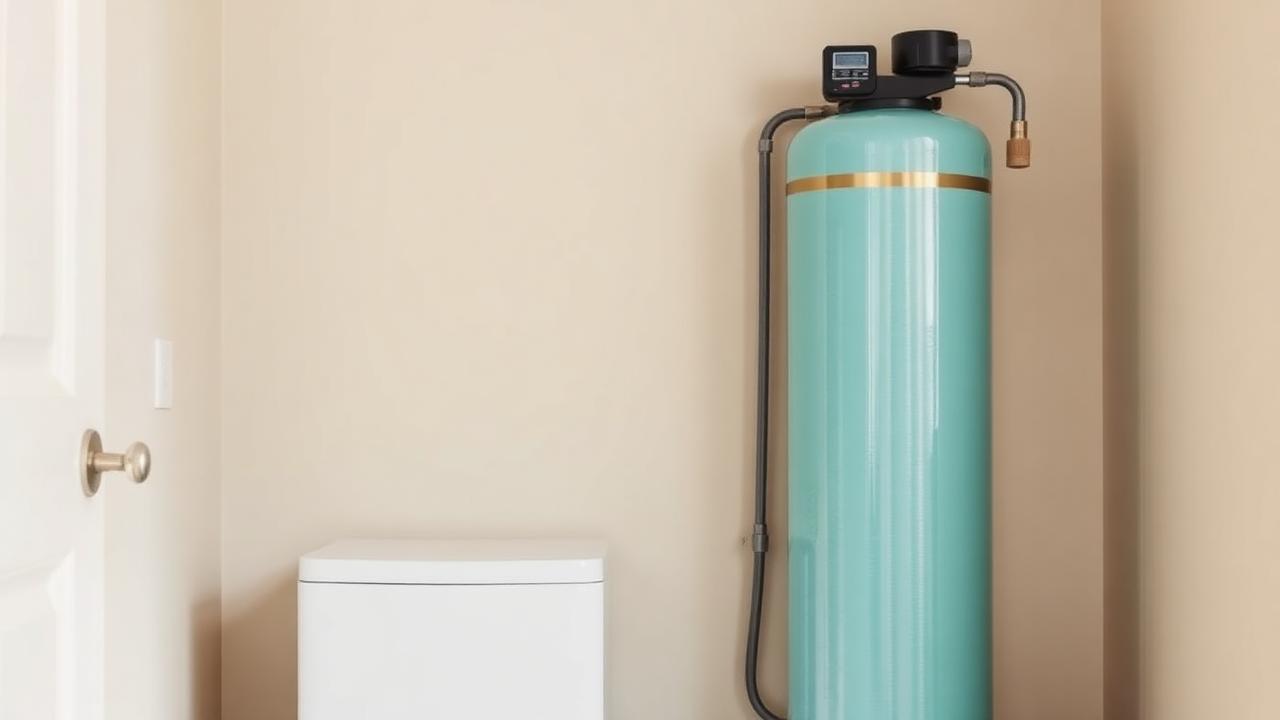
Most whole-house tank-style filters can be installed by a confident homeowner with basic plumbing tools in 2 to 4 hours. The hardest part is usually cutting into the main water line and building a proper bypass loop. This guide walks through a standard point-of-entry install for a catalytic-carbon or softener tank, which is what the majority of U.S. homes need.
Before you start, pick a location. You want the filter as close to where the main line enters the house as possible, after the pressure tank or meter but before the water heater and any branches. You also need a nearby drain if the system backwashes, plus a few feet of wall or floor space for the tank (and brine tank if this is a softener).
Gather your tools: pipe cutter or reciprocating saw, torch and solder (for copper), or PEX crimper and fittings (for PEX), a bucket, Teflon tape, a level, and a bypass valve kit (usually included with the filter). If your main line is galvanized steel, call a plumber; threading and sealing galvanized properly is not a beginner job.
Step 1: shut off the main water supply and open the lowest faucet in the house to drain the pipes. Leave a bathtub tap open on the upper floor so air can enter the system while you work.
Step 2: cut the main line where the filter will sit. Most installs use a bypass loop: two shutoff valves on the straight-through path, with the filter connected across the middle. That way you can isolate the filter for service without killing water to the whole house. Install the bypass valve assembly exactly as the manual shows; orientation matters for backwash models.
Step 3: connect the inlet and outlet ports on the filter head to your bypass loop. Use the fitting type that matches your plumbing: sweat copper, SharkBite push-to-connect, or PEX crimp. Do not use PVC on the pressure side of a whole-house system; it is not rated for the cyclic pressure and temperature.
Step 4: install a sediment pre-filter upstream of the main tank if your kit includes one. It mounts on the wall with a bracket, usually with two 10-inch housings. Tighten the plastic canisters by hand only, then snug with the wrench that comes with the housing.
Step 5: close all faucets, turn the bypass to 'filter' position, and slowly open the main shutoff. Check every joint with a dry paper towel. Small weeps at threaded fittings usually stop with another half-turn and fresh Teflon tape.
Step 6: run water at a bathtub until the water runs clear. Carbon systems often shed a little fine dust for the first few minutes. Let it clear completely before you drink from any tap.
Step 7: program the head unit if it is a backwashing filter or softener. Most digital valves need the time of day, your water hardness (for softeners), and the backwash interval (usually every 3 to 7 days). The factory defaults are usually safe to start with; you can fine-tune after a few weeks.
Common pitfalls: installing the filter backward (check the arrow on the head), overtightening plastic fittings until they crack, forgetting the drain air gap, and skipping the bypass loop. If you are not comfortable soldering copper or the main line is in a tight crawlspace, hire a plumber for the rough-in and finish the programming and salt loading yourself.
Running costs after install are minimal: a sediment cartridge swap every 6 to 12 months ($30 to $80), salt for softeners ($5 to $15 per month), and a lamp replacement on UV add-ons once a year. Tank-style carbon media itself lasts 6 to 10 years before a full bed swap.
Recommended products that solve this
If this is your situation, these are the systems we recommend. Buttons open the brand's current pricing in a new tab.
Top pick
SpringWell
SpringWell CF1 Whole House Filter
Whole-house carbon filter

Tank-style system with a clear bypass valve and pre-filter included, one of the easier DIY installs among whole-house carbon filters.
Also consider
iSpring
iSpring WGB32B 3-Stage
Whole-house cartridge filter
Cartridge-style alternative with wall-mount housings and push-fit connections, a simpler install for homeowners who do not want to sweat copper.
Frequently asked questions
- How long does it take to install a whole-house water filter?
- A confident DIYer can install a standard tank-style filter in 2 to 4 hours. Plan on a full day if you also have to run new plumbing or move shutoff valves.
- Do I need a plumber, or can I install it myself?
- If you can solder copper or crimp PEX and you have a clean cut into the main line, you can do it yourself. Call a plumber if your main is galvanized steel, in a tight crawlspace, or you are not comfortable working with pressurized lines.
- Where should the filter go in the house?
- As close as possible to where the main line enters the home, after the pressure tank or meter but before the water heater and any branches. You also need a nearby drain for backwashing systems.
- Do I need a bypass valve?
- Yes. A bypass loop lets you isolate the filter for service or media changes without shutting off water to the whole house. Most kits include one.