Water quality · IN
Indiana Water Quality (2026)
Last updated: June 2026
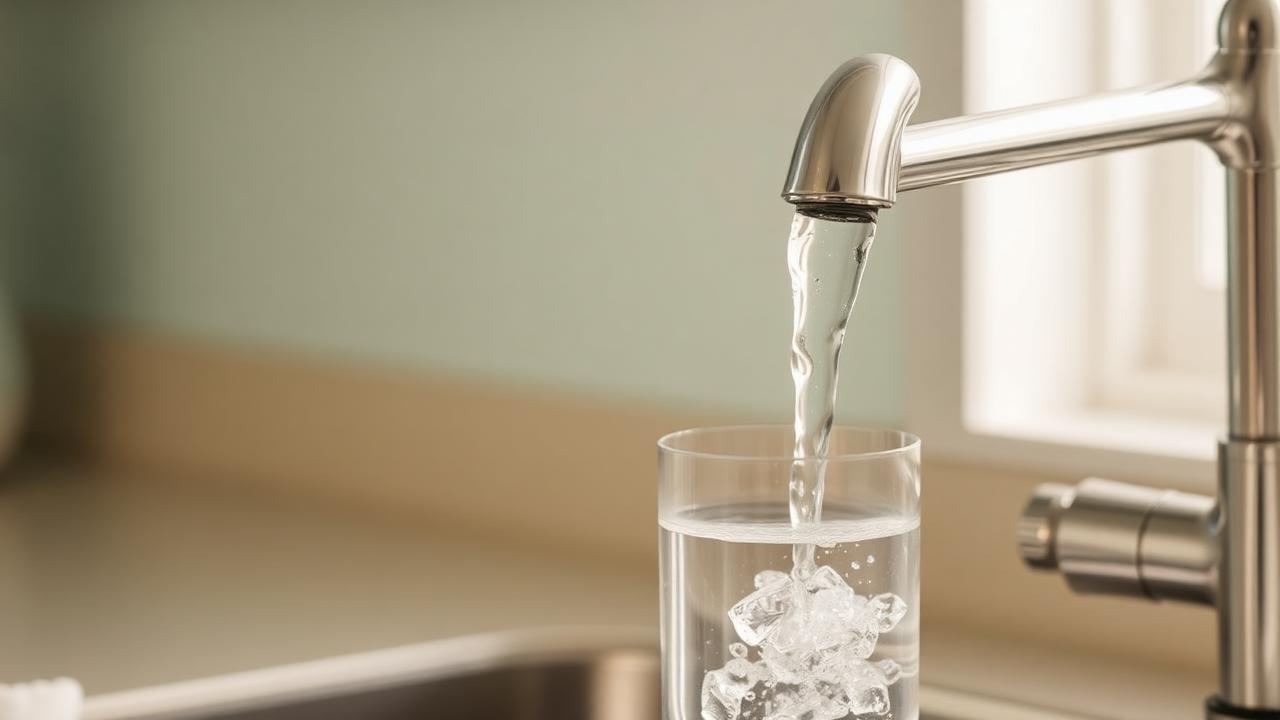
Limestone aquifers produce some of the hardest water in the Midwest; many utilities serve water at 12+ gpg.
Our Indiana coverage focuses on the 5 metros below. Each city page lists the utility's water source, hardness in grains per gallon, contaminants flagged above EWG's stricter health guideline, and the whole-house system that fits that specific profile, not a generic recommendation copied across the state.
Common contaminants flagged across Indiana
Across the Indiana cities we cover, these are the contaminants most often reported above EWG's health guideline. None exceed federal EPA legal limits.
- hardness primary
- disinfection byproducts (Ohio River)
- disinfection byproducts
- Hardness is the primary issue
- hardness primary (groundwater)
Cities we cover in Indiana
| City | Hardness | Flagged above EWG guideline | Best fit |
|---|---|---|---|
| Carmel | 12-20 | hardness primary | Salt-based softener |
| Evansville | - | disinfection byproducts (Ohio River) | Softener + carbon |
| Fort Wayne | - | disinfection byproducts | Softener + carbon |
| Indianapolis | 12–20 (very hard) | Hardness is the primary issue | Salt-based softener |
| South Bend | - | hardness primary (groundwater) | Salt-based softener |
Recommended systems for Indiana
Most Indiana homes benefit from a layered setup: whole-house carbon for chlorine and taste, a softener if your CCR shows hardness above 7 gpg, and a certified under-sink RO at the kitchen tap if lead, PFAS, nitrate or arsenic are flagged.
Free tool · 30 seconds
Not sure which system you actually need?
Skip the spec-sheet rabbit hole. Our local-aware selector pairs your situation with the right filter, softener or RO, then layers in your city's real hardness and contaminant data. No email, no signup.
Find your system →Indiana water FAQ
+Is Indiana tap water safe to drink?
Yes, by federal standards: the cities on this page all meet every EPA legal limit. The contaminants we flag sit above EWG's stricter, non-enforceable health guideline, which is the benchmark most homeowners use when deciding whether to filter further at home.
+Why is Indiana water hard?
Hardness comes from calcium and magnesium picked up as water moves through local geology. In Indiana, the values vary city by city, see the table above for your metro. Anything above 7 grains per gallon is considered hard and is where a softener starts to make a noticeable difference.
+Do I need a softener or a filter in Indiana?
Different problems, different tools. A whole-house carbon filter handles chlorine, chloramine and taste. A softener handles scale from hard water. Many Indiana homes benefit from both, and a kitchen-tap RO if lead, PFAS or nitrate appear on your CCR.
Sources: USGS